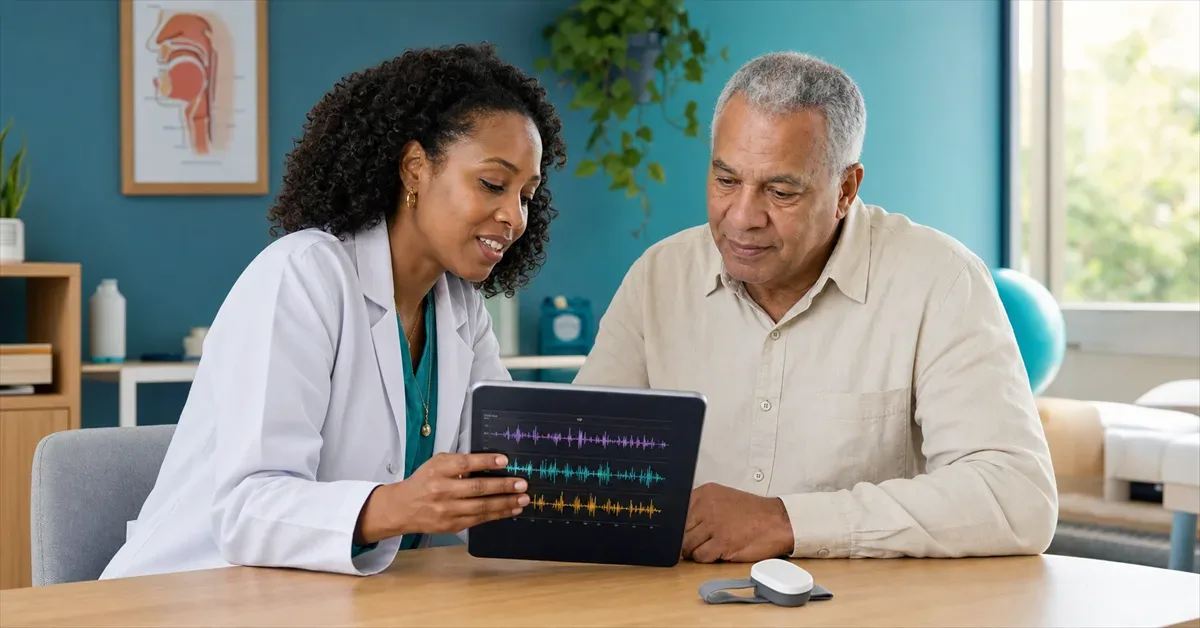
Digital Health Cluster

Digital health for dysphagia monitoring

Apps, digital records, reminders, telehealth, and artificial intelligence can help organize care. The key is using technology as support, not as automatic diagnosis.

Digital health in dysphagia is a knowledge area connected to dysphagia care. This hub defines the domain, explains context, organizes frequent questions, highlights limitations, and guides readers to specialized articles, tools, and related centers. It is designed to be useful as a standalone overview and as a structured path for deeper learning.

Knowledge Hub

Digital health pillar guide

Digital health in dysphagia is a knowledge area connected to dysphagia care. This hub defines the domain, explains context, organizes frequent questions, highlights limitations, and guides readers to specialized articles, tools, and related centers. It is designed to be useful as a standalone overview and as a structured path for deeper learning.

What this domain means

Digital health in dysphagia connects definitions, daily signs, practical decisions, professional limits, and related learning paths. The reader should understand the subject even before opening a specialized article.

Explore this topic

Why it matters

Swallowing difficulty can affect safety, hydration, nutrition, medication routines, autonomy, emotional comfort, and communication with professionals. A pillar page reduces fragmented reading and organizes the most useful next step.

Explore this topic

Who this hub is for

This hub supports patients, relatives, caregivers, and professionals who need a clear educational overview. It helps translate everyday observations into organized questions, but it does not individualize diagnosis or treatment.

Explore this topic

Main limits

Online content should not define food texture, medication changes, exercises, or emergency conduct by itself. Repeated, progressive, or severe signs require professional guidance and, when breathing is affected, urgent care.

Explore this topic

Relationship with other centers

Dysphagia knowledge connects with safe eating, caregiving routines, and digital records. Moving between centers helps the reader understand signs, meals, daily support, privacy, and monitoring as one care ecosystem.

Explore this topic
Navigation by need

What do you need now?

I am a patient

Understand the theme and prepare safer questions.

Go

I am family

Observe patterns and organize daily information.

Go

I am a caregiver

Use practical limits, checklists, and routines.

Go

I want the app

Learn how digital records can support follow-up.

Go
Key concepts

Understand the essentials

What it is

A structured knowledge area for safer dysphagia-related decisions.

Learn more

Why it matters

It affects comfort, risk, routine, and communication.

Learn more

How to recognize

Look for repeated signs, patterns, and context.

Learn more

What to do

Record observations and use professional guidance.

Learn more

What to avoid

Avoid universal rules and unsupervised changes.

Learn more
Essential Articles

Main digital health readings

These resources help use technology with safety, privacy, and care-focused limits.

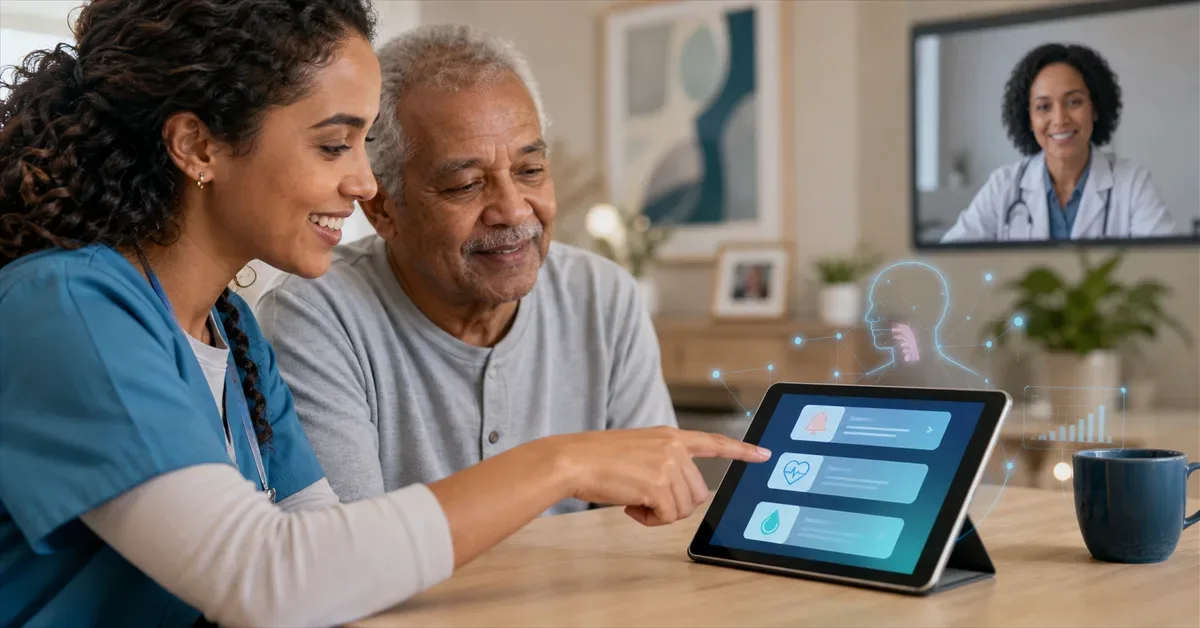
Caregiver and older adult using a tablet with digital health alerts to monitor dysphagia signs
Digital Health

Published on June 30, 2026

Digital alerts in dysphagia: which signs deserve attention?

Learn how digital alerts in dysphagia can help caregivers observe warning signs without replacing professional assessment.

Caregiver, older adult, and speech-language pathologist review digital dysphagia records on a tablet
Digital Health

Published on June 27, 2026

How to share digital dysphagia records with your healthcare team

Learn how to share digital dysphagia records clearly and safely while protecting health data during appointments.

Speech-language pathologist and older adult review swallowing data with artificial intelligence support
Digital Health

Published on June 21, 2026

Artificial intelligence in dysphagia: how does it work and what are its limits?

Learn how artificial intelligence may support dysphagia screening and assessment, where it is being studied, and why clinical oversight matters.

Digital dysphagia report: what should you take to the speech-language pathologist?
Digital Health

Published on June 8, 2026

Digital dysphagia report: what should you take to the speech-language pathologist?

Learn what to include in a digital dysphagia report, from meals and liquids to choking episodes, fatigue, and questions for appointments.

Caregiver using Disfagia App as a digital diary for dysphagia signs
Digital Health

Published on June 2, 2026

Disfagia App as a dysphagia diary: what should you record?

Learn how Disfagia App can work as a dysphagia diary to record meals, liquids, warning signs, and useful notes for appointments.

Topic Map

What digital health includes

This cluster gathers online screening, digital diaries, alerts, reports, telehealth, AI, sensors, apps, and data protection.

Digital screening

Online questionnaires can organize signs and guide the search for assessment.

Diaries and reports

Records help caregivers bring clearer information to appointments.

Alerts and reminders

Reminders can support hydration, routine, and observation of important signs.

Telehealth

Remote care requires safety criteria, caregiver support, and professional guidance.

AI and sensors

Promising tools need validation, clinical context, and human supervision.

Privacy

Health data is sensitive and requires protection, consent, and transparency.

Subcategories

Choose a focused topic

Explore more specific topics within this Knowledge Center.

5 articles

Apps and digital screening

Disfagia App, health apps, educational screening, and limits of online tests.

Apps Screening Limits
4 articles

AI, sensors, and telemonitoring

Artificial intelligence, sensors, wearables, telehealth, and limits of remote monitoring.

AI Sensors Telehealth
Responsible Use

How can technology be chosen without false reassurance?

Prefer tools that explain purpose, limits, privacy, data export, and when to seek help. Avoid apps that promise definitive diagnosis or diet changes without a professional.

Do not upload voice, video, images, or health data to public tools without understanding privacy policy, purpose, and data access.
Use apps to record signs, meals, liquids, medication, and questions.
Check whether the tool clearly says it does not replace healthcare professionals.
Protect sensitive data and share only what is needed with the care team.
Turn records into clinical conversation, not automatic decisions.
Practical guide

Compare, check, and decide the next step

How to choose the next content
Need Focus Content
Understand Definitions and context Open
Observe Signs, patterns, and routine Open
Act Safety limits and next steps Open
Go deeper Specific risks, tools, or advanced topic Open

Reusable checklist

  • Clear purpose
  • Explicit limits
  • Minimum necessary data
  • Record export
  • Privacy reviewed
  • Share only with those who need it

When to seek help

Common signs deserve professional discussion when they repeat, worsen, or affect eating, hydration, breathing, or daily safety.

Common signs

  • app doubts
  • incomplete records
  • frequent alerts
  • data privacy

Urgencies

  • severe clinical sign
  • shortness of breath
  • persistent choking
  • rapid worsening

Myths and facts

One online page is enough for clinical decisions.

Myth. Online content supports learning, not individualized care.

All people need the same adaptations.

Myth. Context, signs, and assessment matter.

Records help professionals understand routines.

True. Clear records can improve appointments.

Clear limits make educational content safer.

True. Knowing what not to decide online reduces risk.

Glossary

Digital screening

Core concept in this hub.

Related content

Telemonitoring

Sign or situation that needs context.

Related content

AI

Useful record or observation for professional conversations.

Related content

LGPD

Practical care point that should not become a universal rule.

Related content

Privacy

Related topic that connects this center to others.

Related content

Frequently asked questions

Does this hub replace professional assessment?

No. It is educational and cannot individualize diagnosis, treatment, diet, medication, or exercises.

Where should I start?

Use the Start here section according to your need: basics, signs, safe action, or deeper topics.

Can this page help prepare an appointment?

Yes. The checklist, glossary, and links help organize observations and questions for the care team.

Why are articles linked dynamically?

The hub uses the published article catalog so navigation follows the current knowledge architecture.

What if signs are severe?

Shortness of breath, persistent choking, bluish color, loss of consciousness, or rapid worsening require urgent care.

How does this hub connect to other centers?

Dysphagia care connects signs, safe eating, caregiving routines, records, privacy, and digital tools.

How this hub was prepared

Educational content prepared by the Disfagia App editorial team from the published article catalog, knowledge taxonomy, editorial policy, and institutional references. It does not claim individual clinical review.

Last updated: August 3, 2026

Related articles: 15

Related subcategories: 3

Main sources: ASHA Adult Dysphagia, NHS swallowing problems, WHO digital health guidance, Brazilian Ministry of Health

Next Step

Use technology to organize care

Digital records become more useful when connected to real signs, eating routines, and professional assessment.