What this domain means
Dysphagia connects definitions, daily signs, practical decisions, professional limits, and related learning paths. The reader should understand the subject even before opening a specialized article.
Explore this topicDysphagia is difficulty swallowing food, liquids, saliva, or medication. This page organizes the main Disfagia App resources for people, families, and caregivers without replacing professional assessment.
Dysphagia is a knowledge area connected to dysphagia care. This hub defines the domain, explains context, organizes frequent questions, highlights limitations, and guides readers to specialized articles, tools, and related centers. It is designed to be useful as a standalone overview and as a structured path for deeper learning.
Dysphagia is a knowledge area connected to dysphagia care. This hub defines the domain, explains context, organizes frequent questions, highlights limitations, and guides readers to specialized articles, tools, and related centers. It is designed to be useful as a standalone overview and as a structured path for deeper learning.
Dysphagia connects definitions, daily signs, practical decisions, professional limits, and related learning paths. The reader should understand the subject even before opening a specialized article.
Explore this topicSwallowing difficulty can affect safety, hydration, nutrition, medication routines, autonomy, emotional comfort, and communication with professionals. A pillar page reduces fragmented reading and organizes the most useful next step.
Explore this topicThis hub supports patients, relatives, caregivers, and professionals who need a clear educational overview. It helps translate everyday observations into organized questions, but it does not individualize diagnosis or treatment.
Explore this topicOnline content should not define food texture, medication changes, exercises, or emergency conduct by itself. Repeated, progressive, or severe signs require professional guidance and, when breathing is affected, urgent care.
Explore this topicDysphagia knowledge connects with safe eating, caregiving routines, and digital records. Moving between centers helps the reader understand signs, meals, daily support, privacy, and monitoring as one care ecosystem.
Explore this topicA structured knowledge area for safer dysphagia-related decisions.
Learn moreIt affects comfort, risk, routine, and communication.
Learn moreLook for repeated signs, patterns, and context.
Learn moreRecord observations and use professional guidance.
Learn moreAvoid universal rules and unsupervised changes.
Learn more
Learn why swallowing difficulty may occur after intubation, which post-extubation signs deserve attention, and when assessment is needed.
Read articleStart with the resources below, then move into signs, causes, and complications.

Published on July 15, 2026
Learn when mild dysphagia may get worse, which mealtime changes to monitor, and when professional reassessment is needed.

Published on July 9, 2026
Learn when choking stops looking isolated, which patterns may suggest dysphagia, and when to seek assessment or urgent care.

Published on July 7, 2026
Learn when people with Parkinson's disease may drink liquids normally, which dysphagia signs matter, and when texture changes may be needed.

Published on June 19, 2026
Learn how oropharyngeal and esophageal dysphagia differ, including symptoms, causes, tests, and which professionals may help.
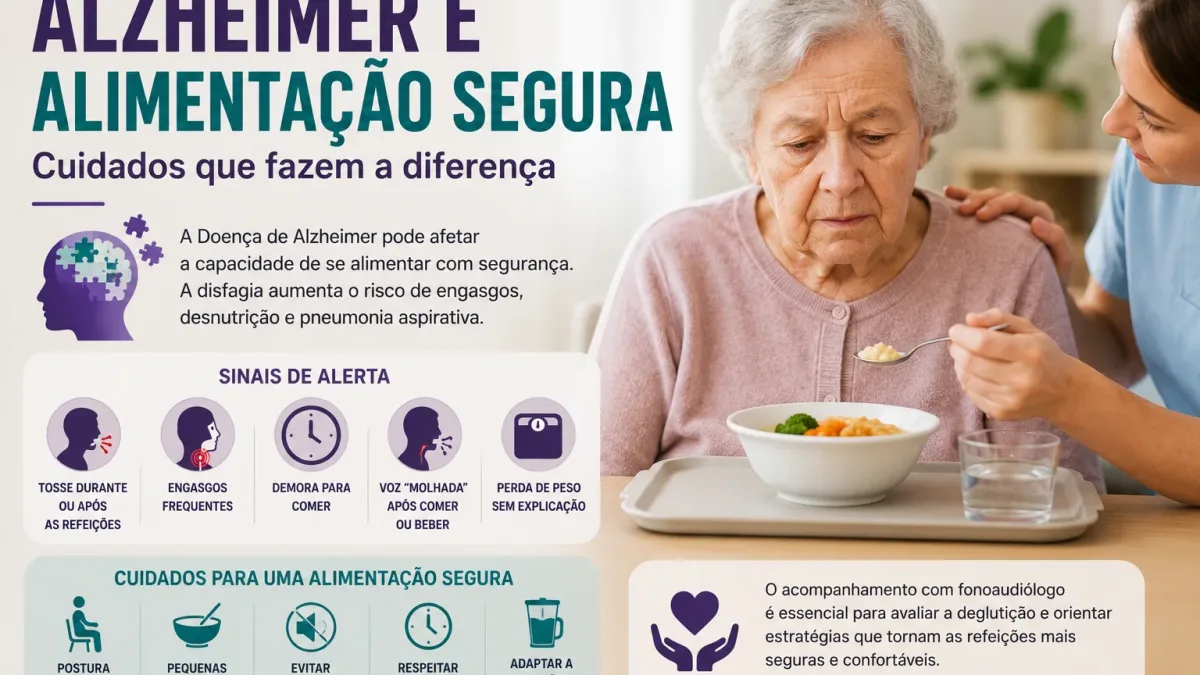
Published on June 15, 2026
Learn how Alzheimer’s disease may affect eating, dysphagia signs, and precautions that can make meals safer.
The articles connect symptoms, differences between occasional choking and dysphagia, respiratory complications, and associated conditions.
Coughing, throat clearing, voice changes, fatigue, and subtle signs that may be missed.
Stroke, Parkinson disease, aging, and neurological changes may affect swallowing coordination.
When food or liquid enters the airway, respiratory risk needs careful observation.
Speech-language pathologists, physicians, and dietitians may guide tests and care plans.
Difficulty may involve different textures, tablets, and even saliva.
Recording when signs appear can improve conversations with the healthcare team.
Explore more specific topics within this Knowledge Center.
Understand what dysphagia is, how swallowing works, and how different types and common situations differ.
Resources about coughing, hoarseness, food-stuck sensation, choking, and subtle signs.
Connections between dysphagia, stroke, Parkinson disease, Alzheimer disease, aging, and related conditions.
When to seek help, the role of speech-language pathologists, and limits of exercises or strategies without assessment.
A single episode may happen, but frequent or progressive signs associated with fever, weight loss, shortness of breath, or pneumonia should be assessed.
Common signs deserve professional discussion when they repeat, worsen, or affect eating, hydration, breathing, or daily safety.
Myth. Online content supports learning, not individualized care.
Myth. Context, signs, and assessment matter.
True. Clear records can improve appointments.
True. Knowing what not to decide online reduces risk.
Practical care point that should not become a universal rule.
Related contentNo. It is educational and cannot individualize diagnosis, treatment, diet, medication, or exercises.
Use the Start here section according to your need: basics, signs, safe action, or deeper topics.
Yes. The checklist, glossary, and links help organize observations and questions for the care team.
The hub uses the published article catalog so navigation follows the current knowledge architecture.
Shortness of breath, persistent choking, bluish color, loss of consciousness, or rapid worsening require urgent care.
Dysphagia care connects signs, safe eating, caregiving routines, records, privacy, and digital tools.
Educational content prepared by the Disfagia App editorial team from the published article catalog, knowledge taxonomy, editorial policy, and institutional references. It does not claim individual clinical review.
Last updated: August 3, 2026
Related articles: 20
Related subcategories: 4
Main sources: ASHA Adult Dysphagia, NHS swallowing problems, WHO digital health guidance, Brazilian Ministry of Health
After understanding the signs, explore safe eating, home care, and digital health for daily support.